

What Is Mandrel Bending?

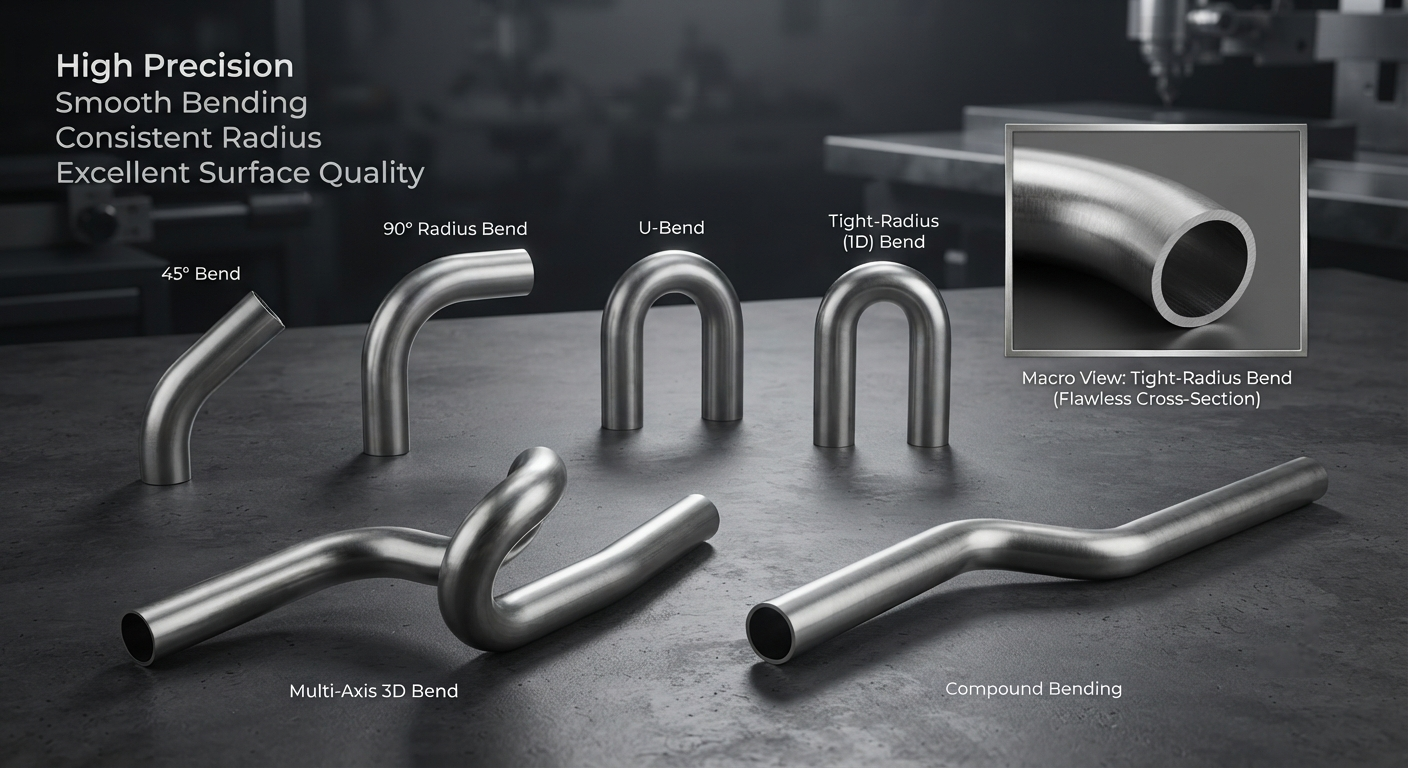
Mandrel bending is a precise tube bending process that uses an internal mandrel to support the tube during the bending operation. It reduces wrinkling, flattening and ovality and is therefore ideal for thin-wall tubes and tight radius bends.

Mandrel bending is common in automotive, aerospace, HVAC, furniture and industrial applications.

What Is Mandrel Bending?

What Is Mandrel Bending?

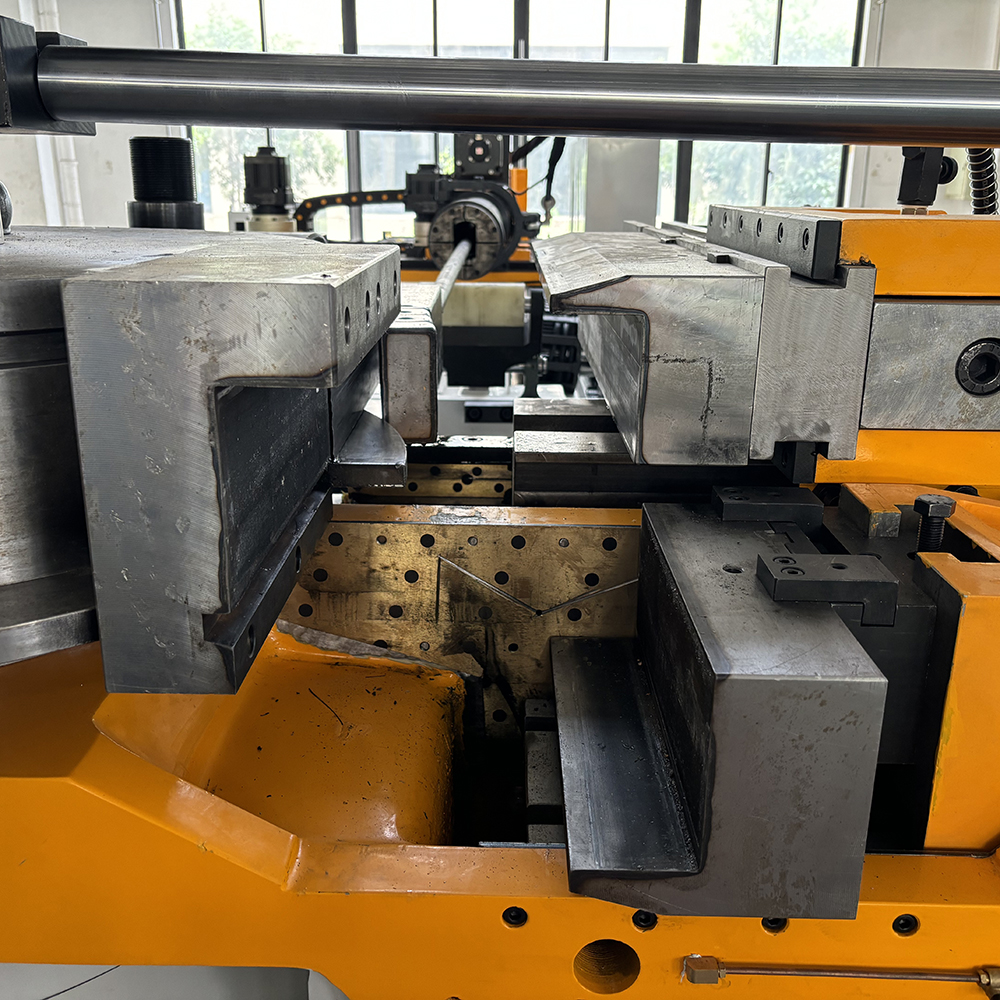
Mandrel bending is a process in which a special mandrel is placed inside the tube prior to bending. The mandrel supports the tube on the inside. It helps to keep the original shape of the tube while the tube is drawn around the bend die. This process is widely used for stainless steel, aluminum, copper and carbon steel tubes.

How Does Mandrel Bending Work?

Mandrel Insertion The mandrel is inserted into the bend of the tube. 

Clamp – The clamp die secures the tube in position. 

Bending – The bend die rotates and pulls the tube around the required radius with the mandrel supporting the inside.

Completion – The tooling releases the tube when the programd angle is reached and the mandrel is removed.


If the bend is severe, a wiper die can be used to reduce wrinkling even further.

Benefits of Mandrel Bending

Better tube shape – less flattening and ovality.

Tighter Bend Radii – Excellent for difficult small-radius bends.

Less Wrinkling – Tube deformation is internally controlled.

High Precision – CNC Control for superb repeatability.

• Improved Flow Performance – Maintains a smoother internal passage for fluid and gas applications.

Drawbacks of Mandrel Bending

Mandrel bending needs more tooling and a more precise setup than regular bending. The mandrel also must be properly lubricated and maintained on a regular basis.

Simple bends in tubes with thick walls may not require mandrel bending.

Typical applications

Mandrel Bending is commonly used in:

Automotive: exhaust systems, fuel lines, brake lines, chassis parts.

Aerospace: Hydraulic and fuel tubing.

HVAC: Refrigerant tubing in copper and aluminum.

Furniture: tables, chairs and metal frameworks.

Industrial Equipment: Structural tubing, handrails, frames for machines.

FAQ

A:What is a mandrel used for in tube bending?

B:mandrel is supported inside the tube to help prevent flattening, wrinkling and collapse during the bending.

A:Is mandrel bending suitable for stainless steel?

B:Yes. It is widely used for stainless steel tubing, especially for thin wall and tight radius applications.

A:When should I use mandrel bending?

B:If you need tight bends, low deformation and high dimensional accuracy, mandrel bending is recommended.

Phone: +86 189 6229 6262
Website: www.hsformer.com
Email: heshun@heshunjx.com

Best Regards

The Team at Zhangjiagang Heshun Machinery Co., Ltd.

Related Blog

What Is Rotary Draw Bending?

What Is Rotary Draw Bending?

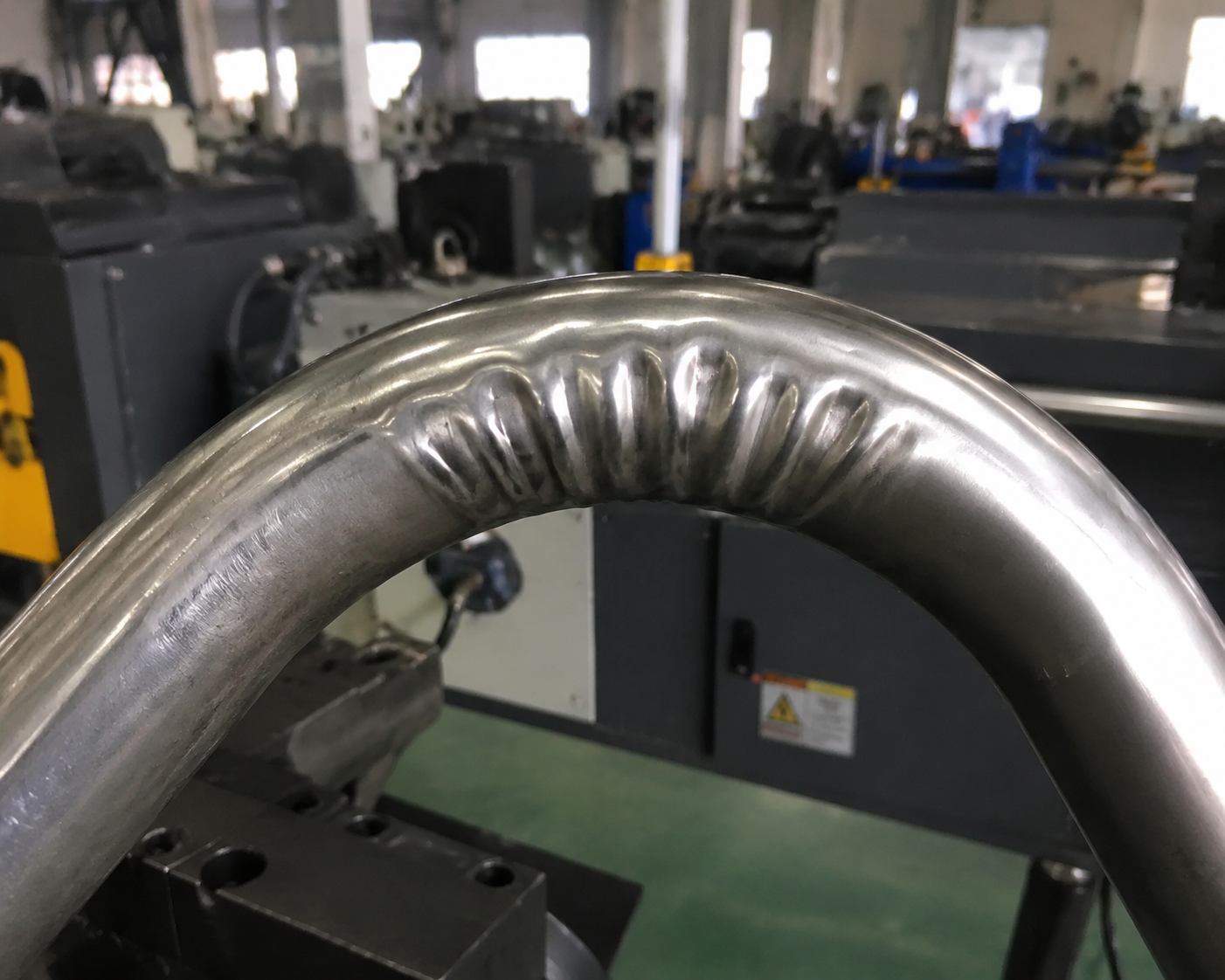
Among the modern manufacturing methods for tube bending, rotary draw bending (RDB) is one of the most accurate and most widely used. It is commonly used to make high quality bends in stainless steel, aluminum, carbon steel and copper tubing. Rotary draw bending is widely used in the automotive, aerospace, furniture, HVAC and medical equipment industries due to its excellent precision and repeatability.
Read More »